



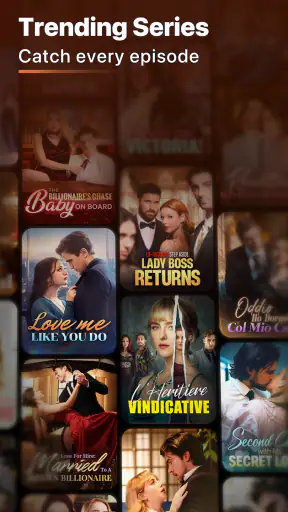
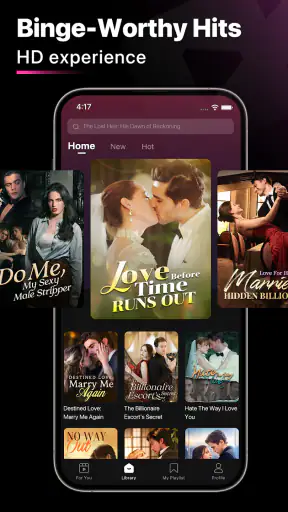
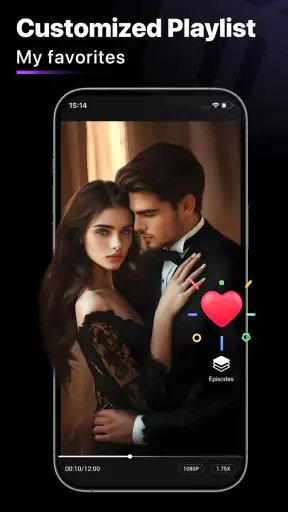
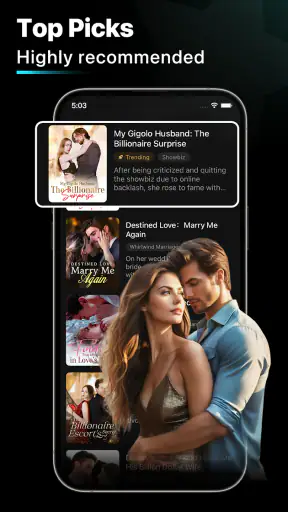
I spent time with MiniDrama: Stream Drama Shorts as an entertainment app, and my first impression was clear: it is built for people who want a quick story rather than a long commitment. The format suits those moments when I have a few minutes to fill and want something more engaging than endlessly scrolling through ordinary clips. Instead of asking me to choose a full-length film or settle into a long series, it puts short dramatic episodes at the center of the experience.
The app is developed by Moboreader Technology USA Co Ltd and is available for free. That distinction matters, because free installation does not necessarily mean every part of the viewing experience costs nothing. The app includes in-app purchases ranging from $0.99 to $199.99 per item, so I would treat the free download as an opportunity to explore the service rather than a promise of unlimited access without spending.
How MiniDrama fits into everyday viewing
A short-form drama service rather than a general streaming app
MiniDrama focuses on short dramas, which gives it a different rhythm from services designed around films, documentaries, or conventional television episodes. I found the appeal strongest when I wanted a continuing plot but did not have the time or attention for a full feature. The experience is closer to opening a serialized story in small portions: watch a scene, stop when necessary, and return later when I want another quick dose of fiction.
That format can be surprisingly effective. A short episode has less room for slow setup, so the storytelling tends to move quickly toward conflict, emotional turns, or a reason to continue. For me, this made the app particularly suitable for a commute, a lunch break, or the few minutes before going to sleep. It is also easier to try several stories without feeling that I have committed an entire evening to one title.
At the same time, the short format is not automatically better than traditional streaming. If I want carefully developed characters, patient world-building, or a story that gives every relationship plenty of room to breathe, a full television series remains a stronger choice. MiniDrama is most convincing when I judge it as a compact entertainment option, not as a replacement for every kind of video service.
What the free entry point really offers
The app itself is free to install, which lowers the barrier to trying it. I could approach it casually instead of making a subscription decision before seeing whether the storytelling style suited me. That is useful for viewers who are curious about short dramas but do not yet know whether they enjoy the format.
The important practical point is to separate access from value. Because purchases are available inside the app, I would not assume that every episode, continuation, or viewing path is included at no cost. Before spending, I would first sample several stories, notice how far the free viewing takes me, and decide whether the particular series is worth continuing. This is a better way to control costs than paying impulsively because a cliffhanger has created pressure to keep watching.
I also recommend checking each purchase prompt carefully. The listed purchase range stretches from a small amount to a much larger one, so the financial experience can vary considerably depending on what is selected. I would use device purchase protections and discuss spending expectations with younger users, especially because the content rating is Teen.
Where the app delivers its strongest value
The main value is convenience. MiniDrama gives me a focused place to find short dramatic stories instead of searching through a broad entertainment catalog where brief content may be mixed with unrelated videos. That focus helps when I already know what mood I want: a fast-moving romance, a tense family conflict, or another emotionally direct story that can be consumed in small portions.
Another strength is the low commitment of starting a new title. With a traditional series, I often hesitate because I know that trying one episode may lead to a substantial time investment. Here, the shorter structure makes experimentation easier. I can test a story during a spare moment and decide quickly whether its tone and pacing work for me.
There is also a useful difference between passive scrolling and intentional short viewing. Ordinary social feeds are designed to move from one unrelated clip to another. A short-drama app gives the viewing session more continuity. When I return to a story, I have a narrative thread to follow rather than a random sequence of disconnected recommendations. That makes the time feel more like watching a series, even when the individual viewing sessions are brief.
Three practical ways I would use it
My favorite use case is the “in-between” session. If I have ten minutes before leaving home or while waiting for an appointment, I can continue a drama without starting a film that I will have to abandon. The key is to stop at a natural point when possible; stopping immediately after a major cliffhanger can make the app feel more demanding than relaxing.
A second use is sampling by mood. Rather than selecting one story and assuming it will suit the whole week, I would try a few openings and keep track mentally of which ones have the right pace. This is especially helpful because short dramas can be emotionally intense. Switching to a lighter story is more sensible than forcing myself through a title that feels unpleasant simply because I have already started it.
A third approach is treating purchases as selective rather than automatic. If a series consistently holds my attention, paying for continued access may make sense. If I only enjoy one or two episodes, the free portion may already have delivered enough entertainment. The best value comes from choosing stories first and spending second.
Small habits that improve the experience
I would avoid opening the app when I am trying to complete a task that needs concentration. Short episodes are easy to begin, and dramatic endings are designed to make “just one more” feel reasonable. Setting a stopping point before watching helps keep a short break from turning into an unplanned long session.
I would also judge a title after more than its opening hook. A dramatic first episode can be effective while the broader story does not suit me. Giving a series a little time to establish its characters, while still being willing to leave it, is a better test than reacting only to the first twist.
For anyone sharing a device with a teenager, I would pay attention to both the Teen rating and the purchase controls. The age label gives a useful general signal, but individual comfort with dramatic themes can differ. I would prefer to set expectations before handing over the phone, rather than trying to resolve an unwanted purchase after it happens.
What may frustrate regular viewers
The biggest trade-off is the possibility that the short-episode structure prioritizes momentum over depth. I enjoy quick emotional payoffs, but I sometimes want conversations and consequences to develop more naturally. If a character’s decision seems rushed, that may be part of the format rather than a temporary flaw in one episode.
Purchase prompts can also change the feeling of discovery. When I am absorbed in a story, being asked to pay to continue can interrupt the emotional flow. This does not make the model unreasonable, but it means I need to decide whether I am paying for a complete entertainment experience or simply reacting to a cliffhanger. The distinction is important because excitement is not always the same as lasting value.
The app is also a weaker fit for viewers who prefer one predictable payment for broad access. A conventional subscription service may feel simpler if I want to move freely among many shows without considering individual purchases. MiniDrama makes more sense when I value its specific short-drama format and am comfortable evaluating titles one by one.
How it compares with familiar alternatives
Compared with ordinary social-video platforms, MiniDrama offers more narrative continuity. Social feeds are better for variety and spontaneous discovery, but they can leave me jumping between unrelated clips. This app is better when I want a story with recurring characters and forward movement.
Compared with mainstream streaming services, it is more convenient for short sessions but less suited to long, carefully paced viewing. A full-length service is the better choice for a film night, a prestige series, or a story where atmosphere matters as much as plot. MiniDrama wins when the deciding factor is time: I want drama now, but I do not want to reserve an hour.
Compared with reading a serialized story, the app offers a more immediate visual form of entertainment. Reading may provide more room for imagination and uninterrupted pacing, while short video drama demands less effort when I am tired. The right choice depends on whether I want to actively read or simply watch a compact narrative unfold.
Who is likely to get real value
I would recommend MiniDrama to viewers who enjoy emotional, fast-moving stories and often watch on short breaks. It is especially suitable for someone who finds full episodes too long but still wants more continuity than isolated clips provide. The free installation makes experimentation easy, provided the viewer pays attention to where optional spending begins.
It can also work for people who like discovering several story premises quickly. The short structure lowers the cost of trying something new in terms of time, even though the financial cost of continuing may differ from title to title. That makes it a useful companion app for someone who already uses other streaming services but wants a more compact option.
I would be more cautious about recommending it to viewers who dislike cliffhangers, purchase interruptions, or compressed storytelling. It is also not my first choice for children, since the content rating is Teen and the in-app purchase range calls for adult supervision. Someone looking for a completely predictable, all-inclusive viewing bill may be happier with a service built around a straightforward subscription.
Device and access considerations
The app supports devices running Android 6.0 or later, which covers a broad range of Android phones and tablets. On an older device, I would still keep expectations realistic: compatibility with the operating system does not guarantee that every older handset will feel equally smooth during video playback. A stable connection and enough free storage for normal app operation are sensible basics for any viewing app.
The current version is 1.9.7. I would keep the app updated through the official store when updates are offered, particularly if I encounter playback or account issues. Updates can matter for stability even when the visible interface has not changed much.
Its scale also suggests that this is not an obscure experiment. MiniDrama has passed five million installs, holds a 4.5 average from around twenty thousand ratings, and has about one thousand one hundred written reviews. Those figures make it easier to see that the app has attracted a substantial audience, though they do not remove the need to decide whether its payment model and storytelling style fit my own habits.
My spending test before recommending it
If I were advising a friend, I would suggest a simple test. Install the free app, try more than one drama, and notice whether the short format still feels enjoyable after the novelty fades. Then identify whether the free viewing alone is satisfying or whether the stories repeatedly encourage a purchase before reaching a worthwhile stopping point.
If the app becomes part of a regular routine, I would compare the amount I am comfortable spending with the value of the actual viewing time I receive. A small purchase can be reasonable when it completes a story I genuinely care about. A much larger purchase deserves more thought, especially if I have not yet established that I will watch several titles rather than chase one cliffhanger.
This approach also answers a common concern: is it worth paying? My answer is conditional. The free entry point is worth trying, and paid access may be worthwhile for a viewer who strongly prefers these short dramas. It is not automatically good value for someone who wants broad, uninterrupted access to a large range of conventional shows.
My final recommendation
MiniDrama: Stream Drama Shorts is a focused entertainment app with a clear purpose. I like it most as a convenient way to follow dramatic stories in small pieces, especially during the scattered moments of a busy day. Its free installation makes the first step easy, while the available purchases mean I need to stay deliberate about continuing beyond free access.
I would recommend giving it a try if short, emotionally direct dramas sound more appealing than another endless social feed. I would skip it if I need deep character development, dislike cliffhangers, or want one simple payment to unlock a broad streaming library. For me, the app earns its place as a secondary viewing option rather than a universal replacement for television or film services.
My buy-or-skip verdict is therefore straightforward: try it for free, spend selectively, and judge each story on its own value. The format is genuinely useful for quick entertainment, but the best experience comes from controlling the pace and the budget instead of letting the next dramatic ending make every decision.


